
Benefits of Home Care for the Elderly
- annanpat774

- Jul 21
- 8 min read
A move into residential care is not the only answer when an older person needs extra support. For many people, the right help at home can protect safety, preserve dignity, and make daily life feel less disrupted.
Home care sits between total independence and full-time nursing care. It can be as light as a short visit to help with breakfast and medication prompts, or as comprehensive as live-in support for someone with complex needs. The main difference is simple: care comes to the person, rather than the person having to leave the life they know.
The benefits of home care for the elderly reach far beyond practical tasks. They touch emotional wellbeing, family relationships, routines, confidence, and quality of life.
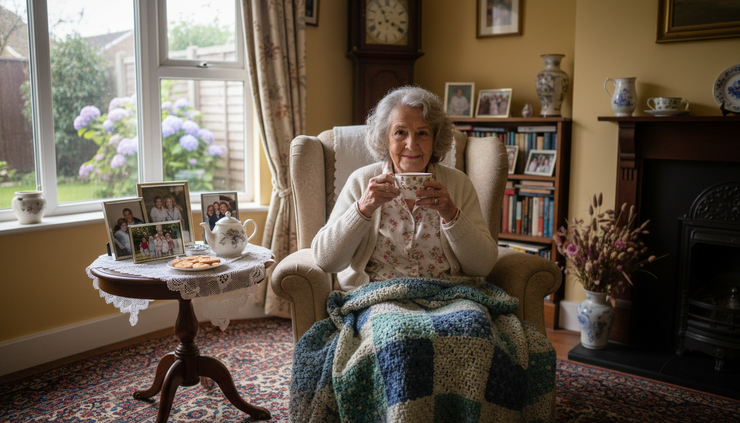
Familiar surroundings can bring comfort and reassurance
Home is more than a building. It holds memories, habits, treasured belongings, and a sense of identity. For an older person, staying in familiar surroundings can offer a level of comfort that is hard to recreate elsewhere.
The armchair by the window, the garden they have tended for years, the neighbour who calls in on Wednesdays, and the photos on the mantelpiece all matter. These details help life feel anchored, especially during periods of illness, frailty, or bereavement.
For people living with dementia or memory impairment, familiarity can be especially valuable. A known layout may help reduce confusion and anxiety. The route from bedroom to bathroom, the cupboard where mugs are kept, or the view from the kitchen window can all act as quiet cues throughout the day.
A new environment, even a well-run one, can feel overwhelming. Different corridors, unfamiliar faces, new meal times, and changed routines may add stress. Home care avoids some of that upheaval.
Being cared for at home can help an older person feel like themselves for longer. That emotional benefit should not be underestimated.
Independence and routines are easier to protect
One of the biggest fears around later-life care is loss of control. Many older people worry that accepting support means giving up choice. Home care can do the opposite when it is planned well.
At home, a person can usually keep more control over everyday decisions, such as:
When to get up
What to eat
When to wash or dress
Whether to sit in the garden
Which television programme to watch
When to see friends or family
How to spend quiet time
These may seem like small choices, but they shape a person’s sense of independence. A fixed institutional timetable can work well for some people, but others find it restrictive. Home care allows support to fit around the person’s life, not the other way around.
This matters for long-standing habits too. Someone may enjoy feeding the birds each morning, listening to the radio while cooking, attending a local lunch club, or walking the dog with help. These routines give structure to the day and often support emotional health.
Pets are another important part of the picture. Moving into residential care can mean giving up a beloved cat or dog. With home care, many older people can continue living with their pets, provided the care plan includes safe ways to manage feeding, walking, or cleaning.
One-to-one care can feel more personal
In a care home, staff often support several residents at once. Many care workers do this with skill and kindness, but their time is naturally shared. At home, support is more direct.
A home carer can focus on one person during the visit. That creates space to notice small changes, such as reduced appetite, low mood, tiredness, confusion, or difficulty moving around. These observations can help families or health professionals respond sooner.
One-to-one care also allows support to be shaped around personal preferences. For example, one person may want quiet assistance in the morning with minimal conversation. Another may look forward to chatting while lunch is prepared. Someone else may feel anxious about bathing and need a slow, reassuring approach.
Good home care should be person-centred, not task-centred. The carer is not just there to tick off a list. They are there to support the person in a way that respects their habits, dignity, and comfort.

Care plans can be flexible as needs change
Home care is not one single service. It can be adjusted as needs change over time.
Some people only need light support once or twice a week. Others may need daily visits, overnight care, or live-in care. This flexibility can be useful because care needs rarely stay the same forever.
Common types of home care support include:
Help with washing, dressing, and grooming
Meal preparation and help with eating
Medication reminders
Mobility support around the home
Light household tasks
Shopping and errands
Companionship visits
Support after a hospital stay
Respite care for family carers
Live-in care for ongoing needs
A short morning visit might be enough for someone who struggles to get washed and dressed. Another person may need several visits a day to support meals, continence care, and safe transfers. Live-in care may suit someone who needs regular help but wants to remain at home.
This flexibility can also help families. Care can increase during a difficult period, such as after surgery, then reduce again once the person has recovered. It can also provide breaks for relatives who have been caring for a loved one and need rest.
Home care can support safety and recovery
Receiving care at home can make everyday life safer when risks are properly assessed. A familiar home is not automatically risk-free, but it can often be adapted to meet changing needs.
Simple changes can make a real difference:
Grab rails near steps or in the bathroom
Better lighting in hallways and bedrooms
Removal of loose rugs or trip hazards
Non-slip mats
Raised toilet seats
Stairlifts where suitable
Walking aids placed within easy reach
Clear pathways between rooms
A carer can also help reduce risk during daily tasks. Getting in and out of bed, bathing, dressing, preparing hot drinks, and moving around the home can all become safer with the right support.
For someone recovering after illness or surgery, home can be a calm place to regain strength. Research suggests that suitable recovery at home may support healing for some people, partly because they sleep in their own bed, eat familiar food, and avoid unnecessary exposure to infections found in shared care or hospital settings.
That said, home care is not a replacement for medical treatment. Some people need hospital care, nursing care, or specialist supervision. The right choice depends on health needs, safety, family support, and professional advice.
This article is for general information only and should not replace advice from a GP, nurse, social worker, or other qualified professional.

Companionship can ease loneliness
Practical care matters, but companionship is often just as important. Many older people live alone after the death of a partner, after family members move away, or because health problems make it harder to go out.
Loneliness can affect mood, appetite, sleep, confidence, and motivation. It can also make small worries feel much larger. A regular carer can bring friendly conversation, reassurance, and a familiar face.
A companionship visit might include:
Sharing a cup of tea
Looking through photo albums
Reading the newspaper together
Going for a short walk
Helping with a hobby
Supporting attendance at a local group
Accompanying someone to an appointment
Cooking and eating a meal together
For some older people, a carer may be the person who notices when they seem withdrawn or unwell. That regular human contact can be a lifeline.
Home care can also help people stay connected to their local community. Moving into residential care may mean leaving behind neighbours, faith groups, clubs, familiar shops, and local routines. Staying at home makes it easier to keep those links.
Family relationships may benefit too. When a professional carer takes on some of the practical load, relatives can spend more time simply being family. Instead of every visit revolving around washing, cleaning, or medication, there may be more space for conversation and shared moments.
Home care can be cost-effective for the right level of need
The cost of care varies across the UK and depends on the level of support needed. Residential care often involves a flat weekly fee, while home care is commonly charged by the hour or by visit.
For someone who only needs help at key points in the day, home care may be more affordable than moving into a care home. It allows people to pay for the support they actually need, rather than paying for round-the-clock residential provision before it is necessary.
For example, a person who needs help with breakfast, medication prompts, and an evening meal may manage well with two visits a day. Someone else may only need help after a hospital discharge for a few weeks. In these cases, home care can offer a practical and flexible option.
Cost is not the only factor, of course. Safety, wellbeing, housing conditions, and carer availability all matter. If someone needs constant supervision, complex nursing support, or cannot be safely left alone, residential or nursing care may become the right choice.
Still, home care can provide a valuable middle ground. It gives support without forcing a move before it is needed.
Couples can stay together for longer
Care needs do not always affect both partners in the same way. One person may need substantial help while the other remains mostly independent. In this situation, a move into residential care can separate a couple after decades of shared life.
Home care may allow couples to stay under the same roof. A carer can support the person who needs help while the partner continues their own routines. This can protect emotional wellbeing for both people.
Live-in care can also help in some cases. It may reduce the pressure on the healthier partner, who may be exhausted from providing care alone. Instead of becoming a full-time carer without rest, they can return to being a spouse or companion.
This is especially important when one partner has dementia, Parkinson’s disease, mobility problems, or increasing frailty. With the right support, couples may enjoy more time together in the home they built.

Families gain peace of mind
When an older relative starts to struggle, families often feel torn. They want to respect independence, but they also worry about falls, missed meals, medication, loneliness, or personal care.
Home care can reduce that pressure. Regular visits mean someone is checking in, offering support, and spotting concerns. Families may still play an active role, but they are not carrying every responsibility alone.
Good communication is key. A care provider should make sure families understand the care plan, know who to contact, and feel able to raise concerns. Many services keep visit notes, which can help relatives track changes over time.
Peace of mind does not mean removing all risk. No care option can do that. It means building a sensible support system around the person, so they can live with as much safety, dignity, and choice as possible.
When home care may not be enough
Home care offers many benefits, but it is not the right answer for every situation. Some people need a level of support that cannot be safely provided at home.
Residential or nursing care may be more suitable if someone:
Needs frequent medical supervision
Is at high risk when left alone
Has severe night-time distress or wandering
Needs specialist equipment that cannot fit safely at home
Lives in unsuitable housing that cannot be adapted
Has care needs that place family carers under unsafe strain
The decision should involve the older person wherever possible, along with family, healthcare professionals, and social care teams. The best care arrangement is the one that meets real needs, not the one that sounds best in theory.
It can also help to review care regularly. A plan that works in spring may need changing by winter. Needs can improve after rehabilitation, or increase after illness. Flexibility is one of the strengths of home care, but honest review keeps it safe.
A dignified way to age in place
Home care can protect many of the things that make life feel meaningful: familiar rooms, personal routines, pets, neighbours, independence, and time with loved ones. It can offer practical help without taking away identity.
For many older people, the greatest benefit is not only staying at home. It is staying connected to the life they recognise.
With the right support, home can remain a safe, comforting, and dignified place to grow older.


Comments